Two Cylinders, One Heartbeat
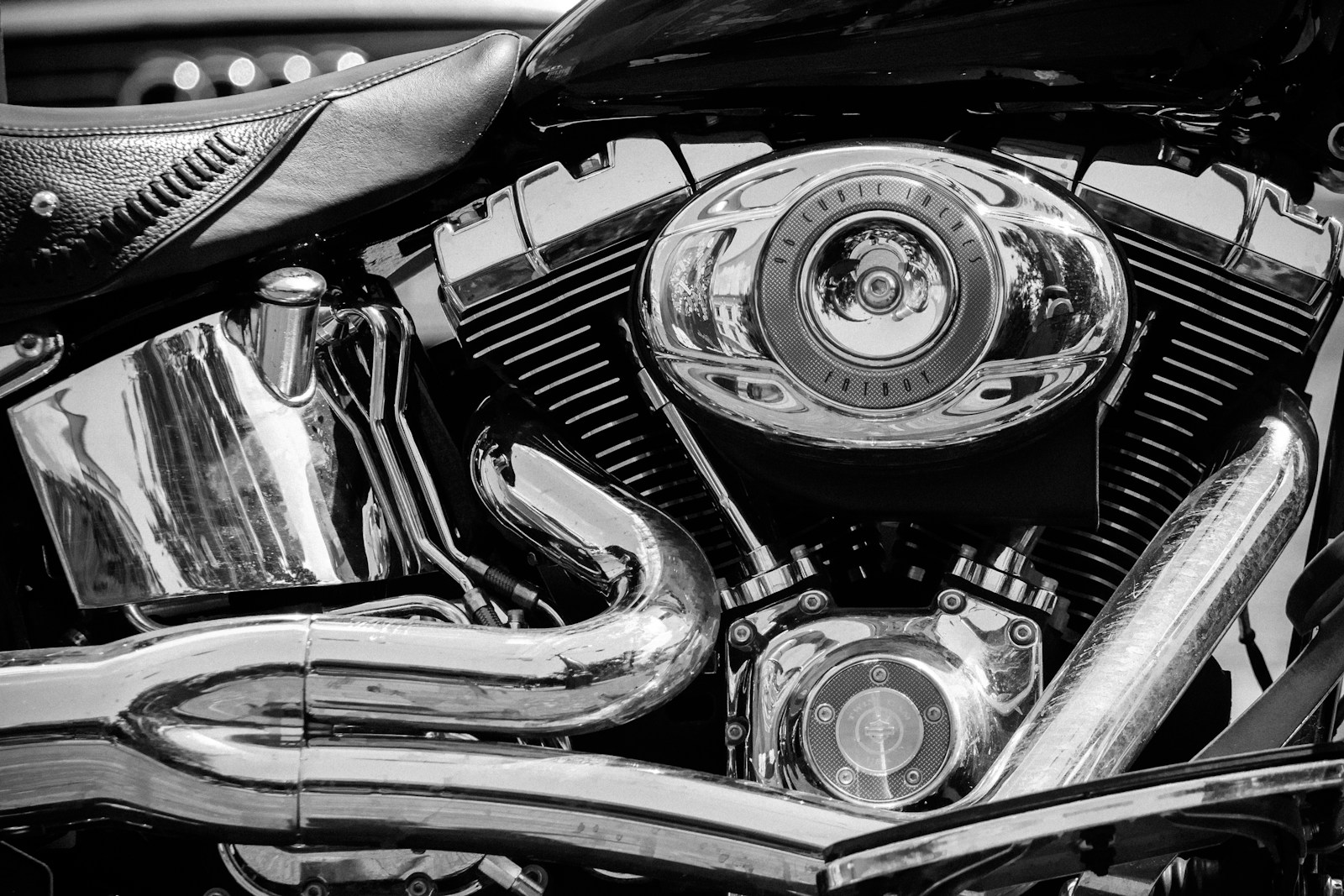
V-Twin Journal explores the V-twin engine: how it works, the landmark engines that defined it, tuning and maintenance, and the history of the cruiser motorcycle built around it.
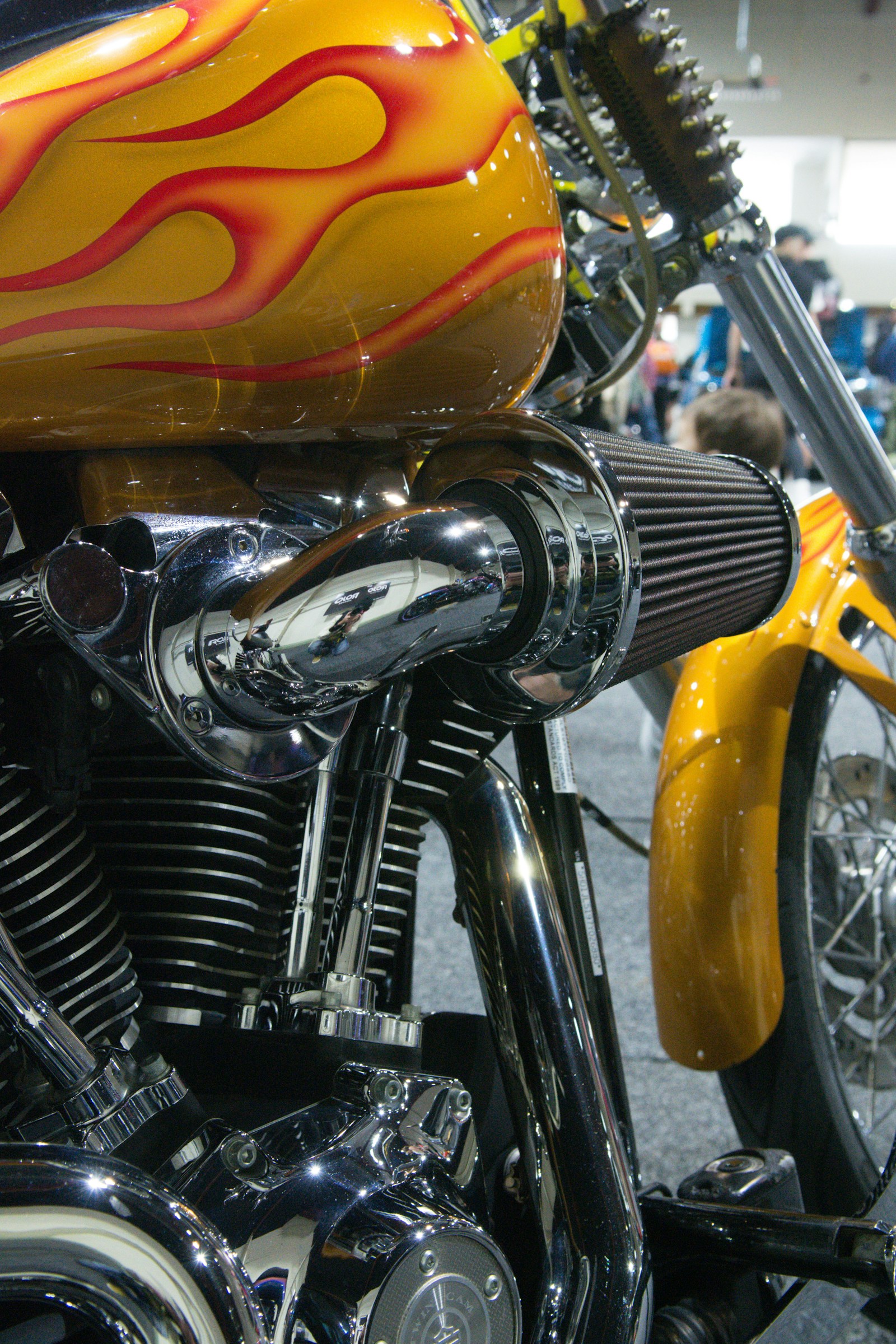 Engine Tech
Why a 0.2 mm Pushrod Error Can Shatter an rpm V‑Twin
You’ll discover how pushrod length governs valve timing and rev limits on modern V‑twins. Most tutorials ignore the harmonic consequences that turn a tiny measurement slip into catastrophic failure.
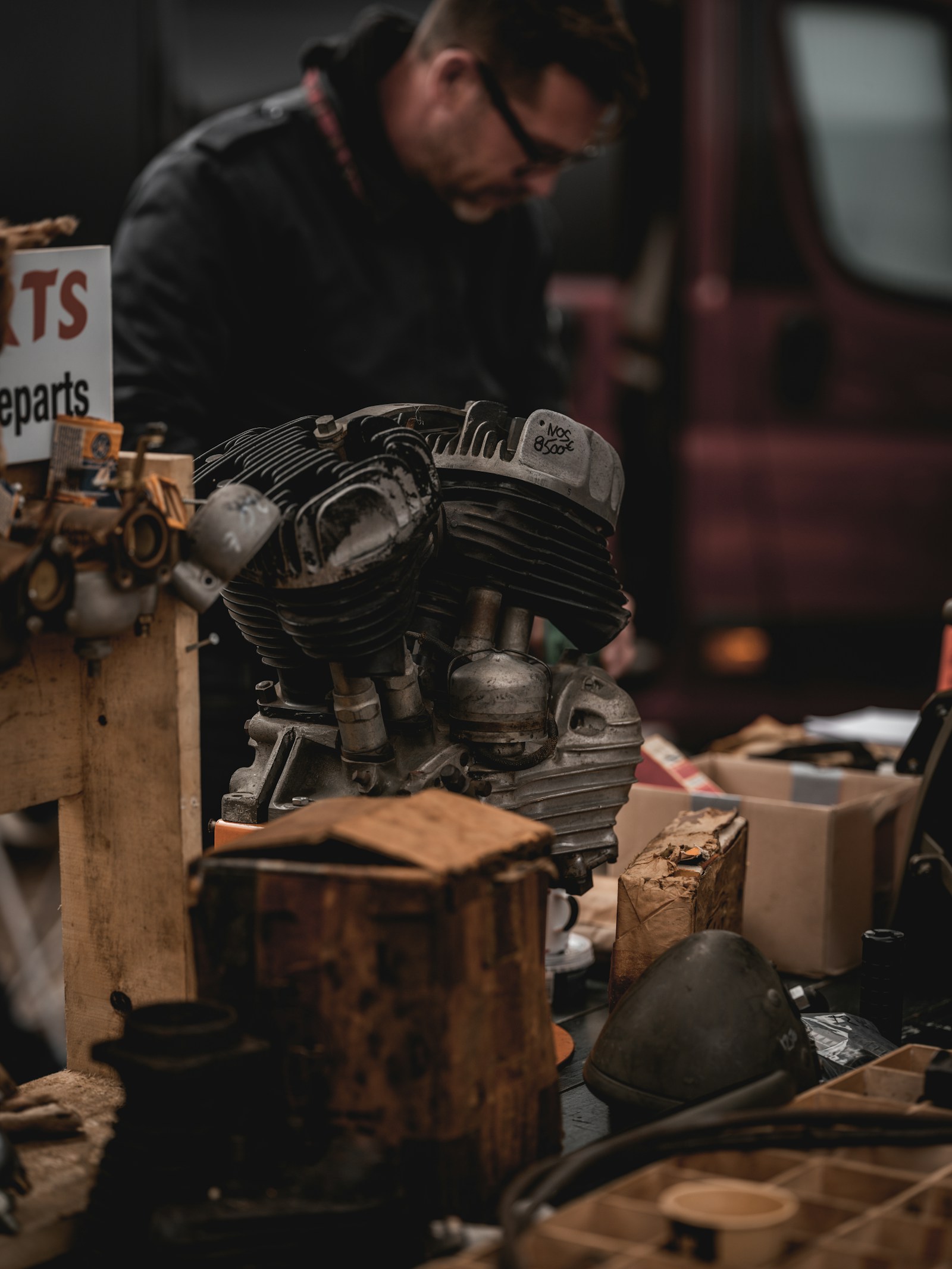 Engine History
How Aluminum Cut V‑Twin Weight by Up to 30% and Saved Riders Thousands
You’ll see why the material swap mattered for performance and pocket‑books, and why most tutorials miss the hidden engineering trade‑offs. The article unpacks the real cost of going light beyond the headline numbers.
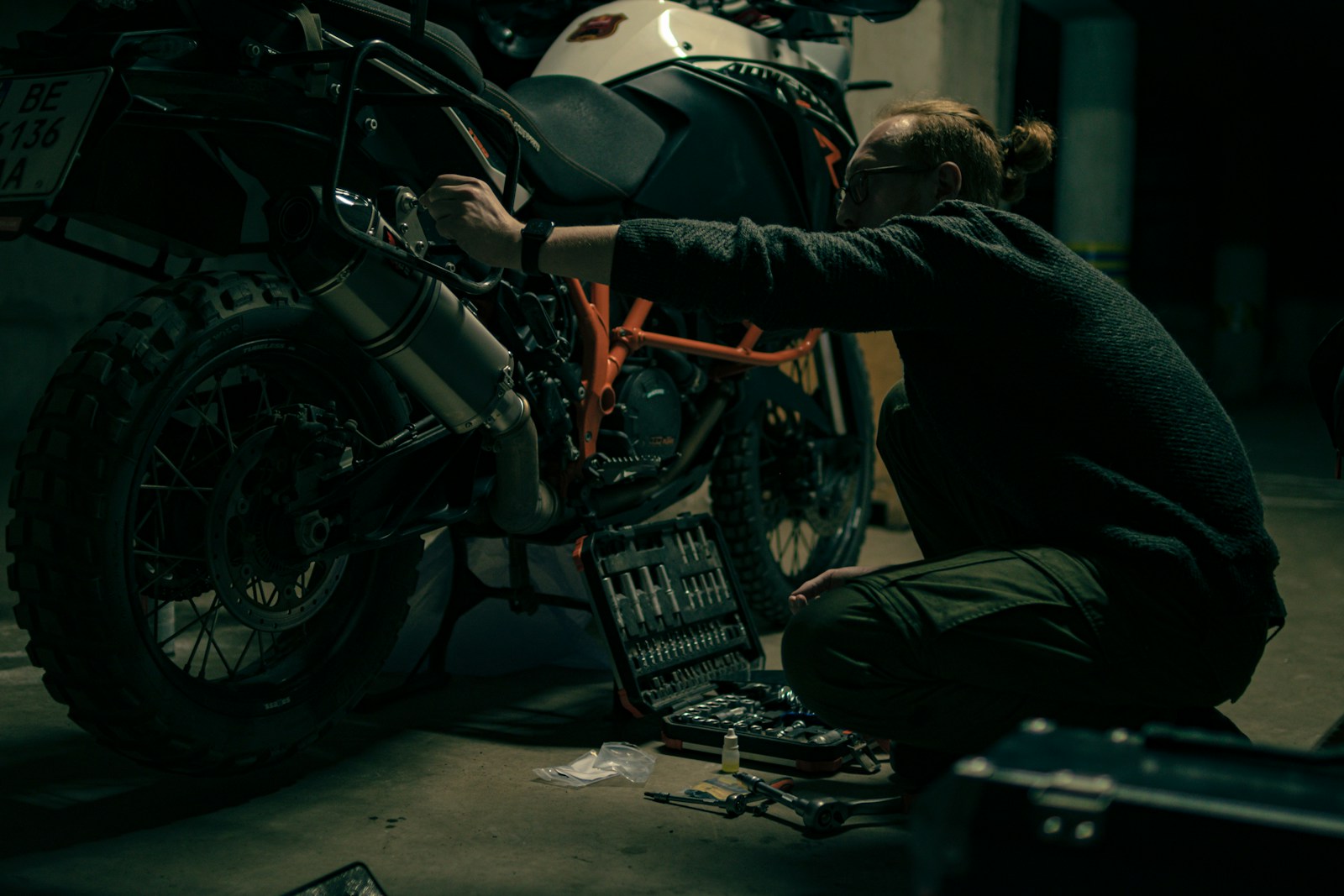 Maintenance
Cam Lobe Wear on ’60‑’70 Harleys: Fixes
Readers will learn how to spot camshaft wear on early Harley‑Davidson V‑twins and the step‑by‑step repair costs that keep a bike running. Most guides skip the wear‑tolerance numbers and hide the true price of machining and bearings.
 Tuning
Port the Classic 883 for and avoid a costly rev‑kill
Learn the exact sequence to port a Classic 883 without sacrificing its historic character. Most guides skip the hidden cost of pump‑jet matching and timing re‑calibration, leaving riders with unreliable power.
 Engine Tech
Why 90° V‑Twin Balance Shafts Cut Vibration by 40%
You’ll learn how a 90° V‑Twin balance shaft physically cancels the low‑rpm rumble that plagues many twins. Most guides skip the interaction between firing order and crank offset, so they miss why the shake persists.
 Engine History
Why Crankcase Redesign Added 30% More Power to 1970s V‑Twins
You’ll see how oiling, materials and emissions law reshaped the V‑Twin bottom end. Most guides miss the cascade of small changes that together rewrote performance.