Port the Classic 883 for and avoid a costly rev‑kill
Learn the exact sequence to port a Classic 883 without sacrificing its historic character. Most guides skip the hidden cost of pump‑jet matching and timing re‑calibration, leaving riders with unreliable power.
Every rider who dreams of squeezing extra punch from a Classic 883 faces a fork in the road: spend a modest budget and risk breaking a heritage engine, or gamble on an ill‑documented modification and watch the powerband collapse. The porting process itself sits at the intersection of metallurgy, airflow science, and the bike’s storied lineage, meaning a slip‑up can turn a thousand‑dollar project into a costly restoration nightmare. Because the 883’s 45‑degree V‑twin was tuned for a narrow torque window, any deviation from the original port geometry threatens the street‑legal noise limits that many owners cherish. Suppliers charge anywhere from a few hundred to well over a grand for pre‑machined kits, yet the real expense often hides in shop time and the inevitable trial‑and‑error that follows the first test run. This guide cuts through the hype, laying out the exact sequence that keeps the bike’s character intact while delivering a measurable boost.
Is swapping the camshaft worth the $300‑$800 hit?
Choosing a performance cam reshapes the lift curve enough to boost low‑end torque while keeping the V‑twin’s growl intact. A modest grind typically adds about seven percent peak torque, but the oil pump sees increased load, so monitor bearing temperature during the first hundred miles. A widely available aftermarket cam retains the original lobe separation angle, preserving firing order and simplifying reversion to stock. Installation often includes a new retainer and a short break‑in run, which together can add a few hundred dollars to the labor bill.
How the 1984 fuel‑pump upgrade clears the mid‑range stumble
Before swapping the pump, the stock 6‑psi unit frequently starves the carburetor during rapid throttle lifts, creating a flat spot. An 8‑psi pump from the 1984 model restores steady flow and eliminates the stumble, but the mounting bracket usually needs a tenth‑inch mill to avoid shaft misalignment. Higher flow demands a main jet in the 130‑140 range and a pilot jet around 2.5 mm to keep the mixture from leaning out under hard acceleration. A dyno run that holds the AFR between 12.5 and 13.0 confirms the pump‑jet combination is balanced. Meanwhile, the upgraded fuel line should be swapped for an aluminum braid to dampen vibration and prevent micro‑leaks under the higher pressure regime. A quick visual inspection after installation can reveal kinks that would otherwise cause intermittent fuel starvation during aggressive cornering.
What a port‑matched header does for the 883’s V‑twin pulse
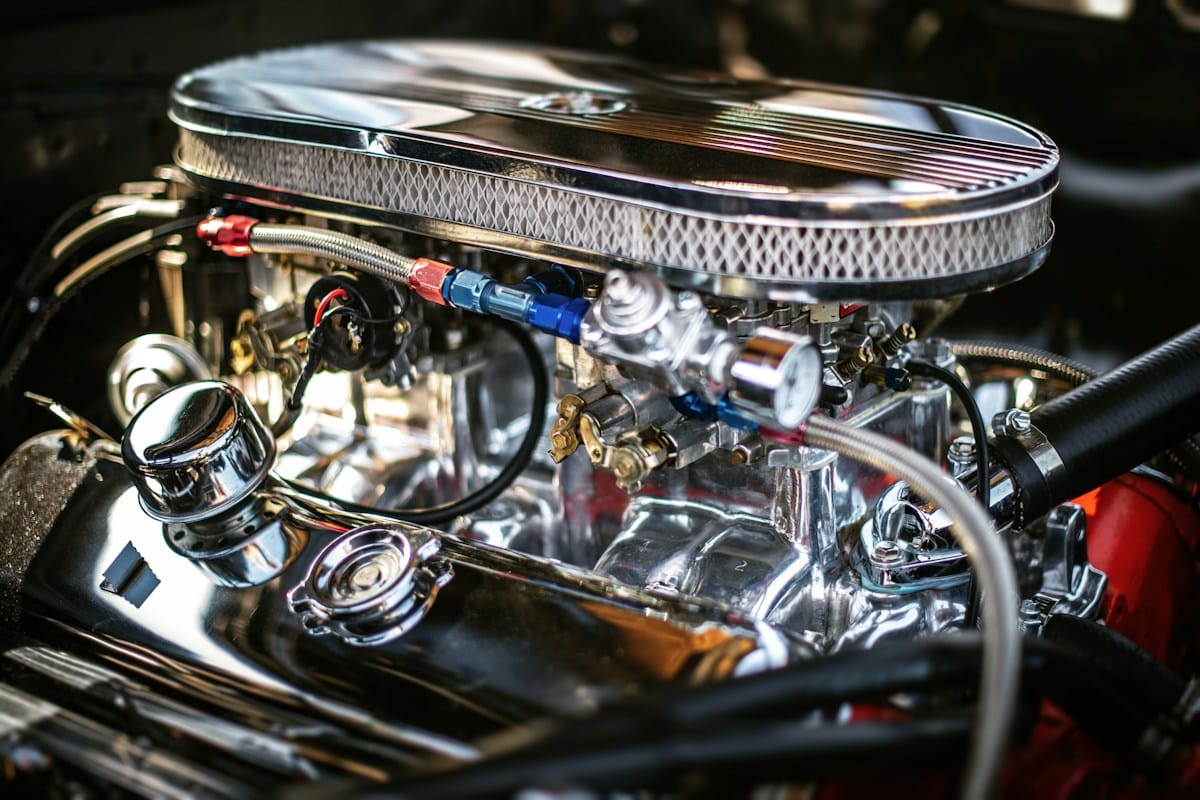
Rather than a full exhaust swap, a port‑matched header smooths the primary inlet, reducing turbulence and freeing up to three horsepower. The flare angle trimmed to roughly thirty degrees and a mirror‑polished bore also widens the torque curve by about one hundred RPM on each side of the peak. Mild‑steel construction adds roughly two kilograms, which slightly alters handling but is often outweighed by the linear power delivery. Material cost sits between $250 and $600, while labor can push the total toward the high end of that spectrum. Consequently, the header’s flare must be matched to the exhaust pipe diameter to avoid a sudden pressure drop that could thin the rear‑wheel torque. A careful grind of the mating surface ensures a seamless transition, preserving the V‑twin’s characteristic rumble.
Practical action steps and realistic cost ranges
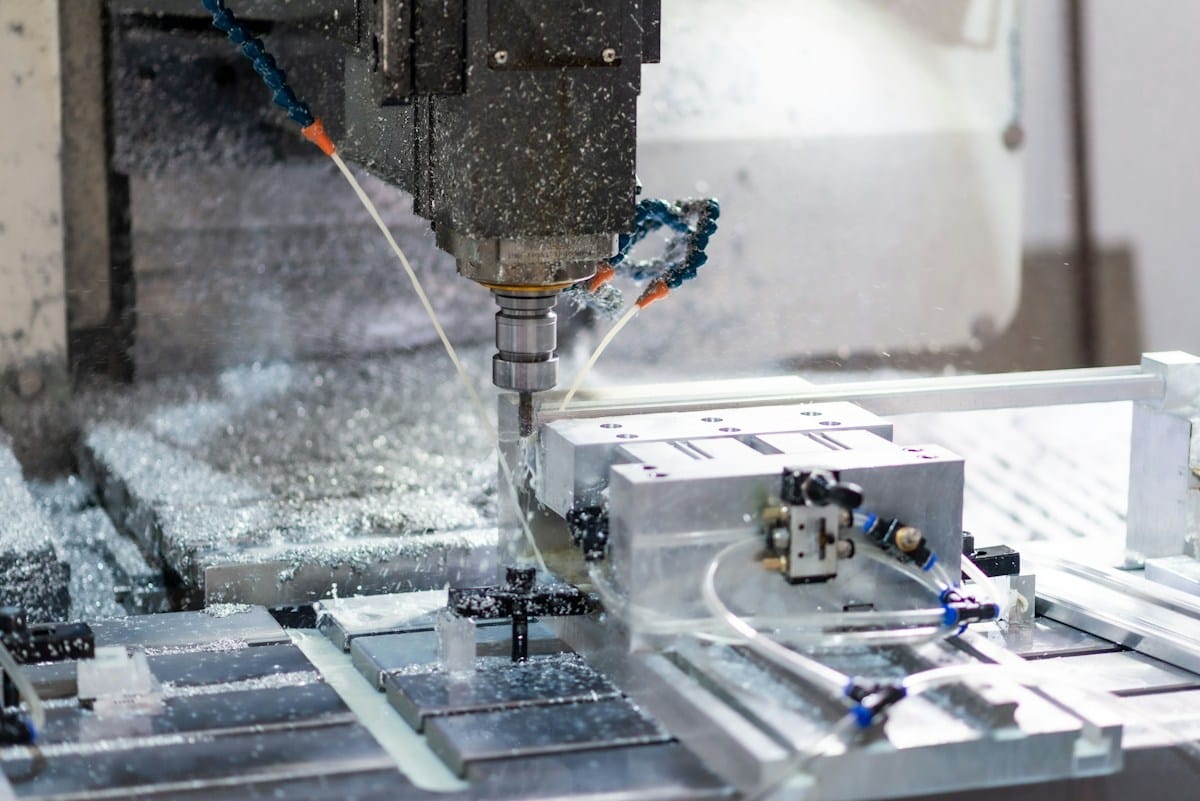
First, download the 883 cylinder‑head blueprint from a dedicated forum and print it at no cost. Next, schedule a CNC mill to enlarge the intake port; shops typically charge $100‑$200 per cylinder, depending on hourly rates. After machining, sandblast to a 120‑grit finish, then coat with high‑temp epoxy sealant costing $30‑$50 per bottle. Reinstall the head using the manufacturer’s torque spec—generally twelve to fifteen newton‑meters—and verify gasket alignment with a feeler gauge.
Where the most common errors hide in the ignition timing
Often builders overlook that the original timing peaks at fifteen degrees before top dead center, a setting that balances the uneven firing intervals. Pushing advance beyond eighteen degrees can produce a harsh idle and accelerate bearing wear during long rides. If a squeal appears after porting, a modest retard may mask a fuel‑rich condition, leading to carbon deposits on the pistons. Re‑calibrate in two‑degree steps while listening for the classic V‑twin growl, then lock the bolt with thread‑locker to prevent drift. Finally, record the timing setting with a permanent marker after locking the bolt, providing a reference point for future maintenance. Documenting the exact degree value also helps when swapping between street and track configurations, where a few degrees can alter lap times noticeably.
Double‑check checklist before you hand over cash
Before any payment, ask for a written quote that lists a post‑modification dyno sweep, ensuring the port work delivers the promised torque gain. Inspect the worn‑out port template; a freshly milled, clean template proves the correct head was machined. Verify the pump’s serial number matches the upgraded model and request the torque‑spec sheet used during reassembly as part of the warranty package.