Why a 0.2 mm Pushrod Error Can Shatter an rpm V‑Twin
You’ll discover how pushrod length governs valve timing and rev limits on modern V‑twins. Most tutorials ignore the harmonic consequences that turn a tiny measurement slip into catastrophic failure.
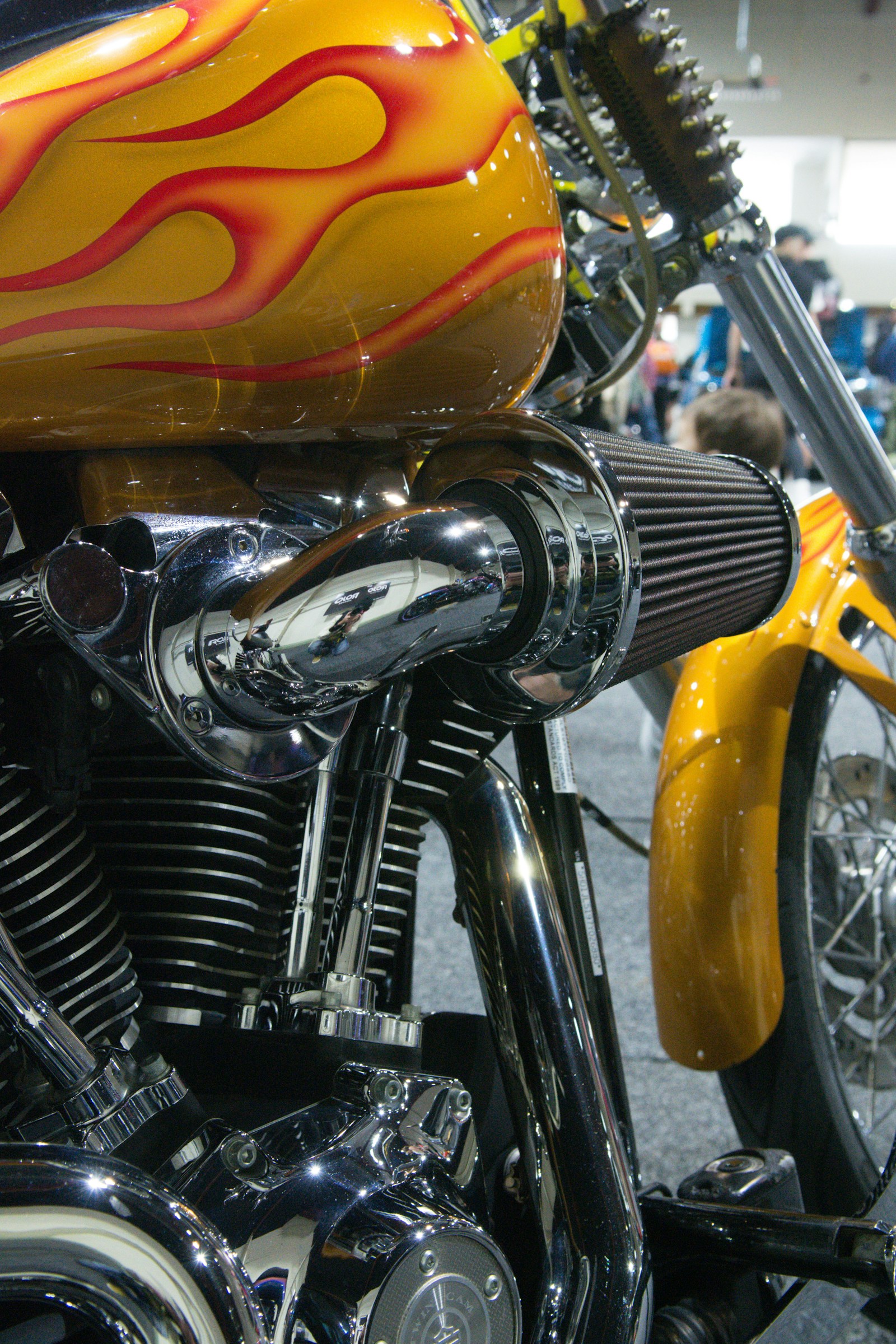
A single millimeter of overshoot can push a 1050 cc cruiser from a clean 10,800 rpm peak into a valve‑float disaster that costs a rebuilt bottom end and a weekend in the shop. Builders who chase the brag‑worthy “red‑line‑plus” figure often overlook the hidden penalty: every extra fraction of length adds mass to a lever that must close at three‑times‑engine speed, and the price of a missed timing mark is measured in dollars, downtime, and lost brag‑capital.
Can a millimeter of extra length really shift the redline?
The cam lobe lifts the rocker arm, which pushes the pushrod to open the valve; lengthening the rod forces the rocker to travel a longer arc before the valve reaches its seat. That extra travel consumes a few degrees of crank rotation, effectively lowering the maximum safe rpm because the valve closes later than the design intended. In a high‑rev environment, those lost degrees translate directly into earlier valve float, a condition where the spring can no longer control the valve’s inertia.
Engine builders who ignore the timing shift often discover that the intake valve begins to “beat” against the head at 10,500 rpm, a phenomenon that shows up as a high‑pitched squeal and a sudden dip in power. The symptom is not a broken cam; it is a mis‑timed valve that has been forced to operate beyond the original harmonic envelope.
How did early Harley‑Davidson and Indian designs tolerate short pushrods?
Early 20th‑century V‑twins ran a leisurely 3,500 rpm, and their pushrods were deliberately short to keep the rocker arm geometry compact. The low‑speed cam profiles produced modest lift, and leaf‑spring valve springs provided just enough force to close the valves without excessive mass. Because the engine never approached the critical frequency of the valve train, designers could afford generous tolerances on rod length.
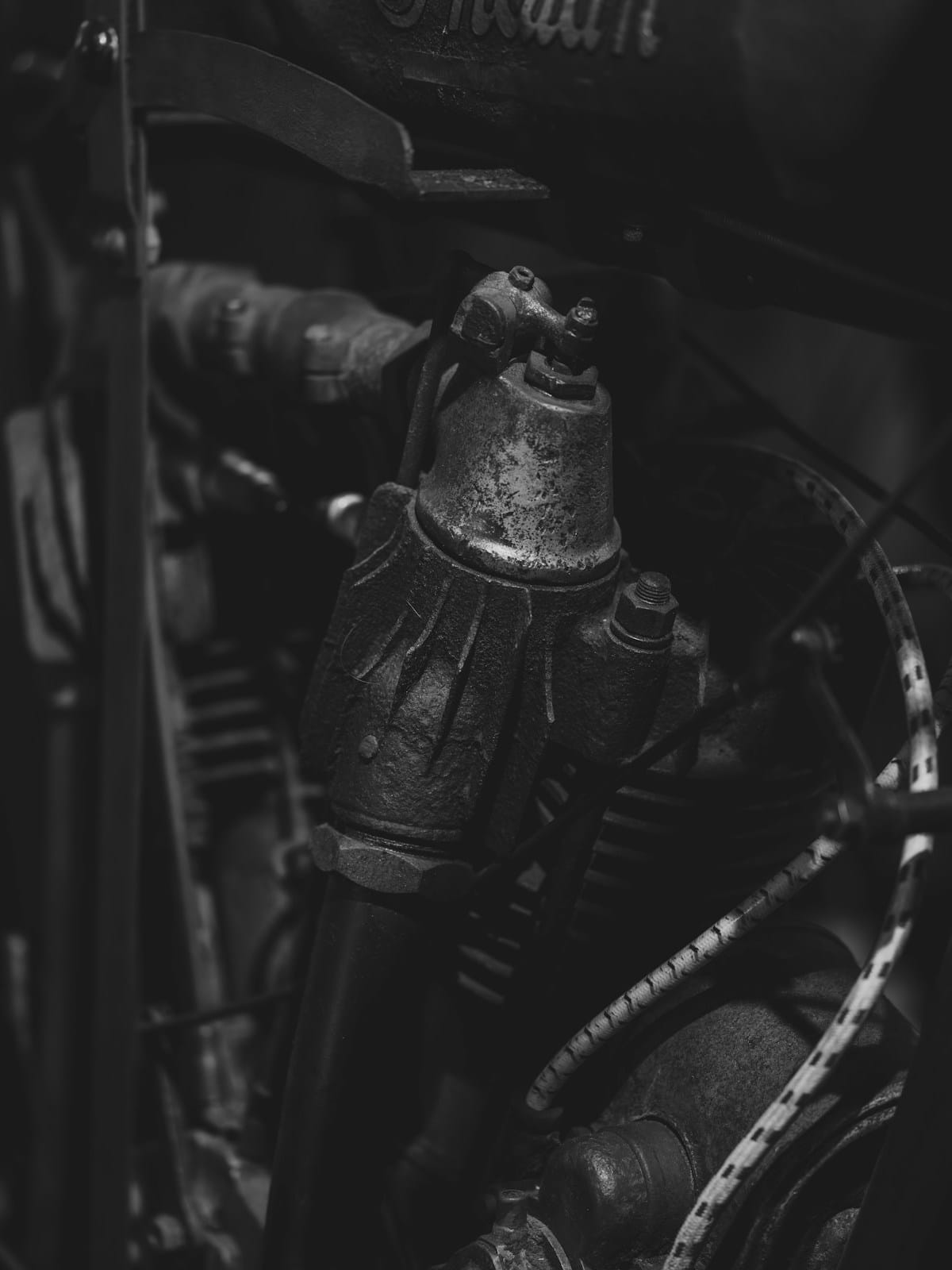
Historical service manuals reveal that mechanics would often eyeball the pushrod clearance, trusting that the low‑rev nature of the machine would forgive a few millimeters of error. The result was a reliable, long‑lasting engine that could be serviced with a basic wrench and a bit of intuition.
What happens when you stretch a pushrod for a modern 11,000‑rpm cruiser?
Modern performance V‑twins employ dual‑coil springs, titanium valves, and cams that push 40 mm of lift at 11,000 rpm. Adding even a fraction of length to the pushrod raises the effective mass of the valve train, shifting its natural frequency closer to the engine’s operating range. When the frequency aligns, the system resonates, amplifying oscillations that the spring cannot dampen.
The amplified motion creates a “hammer‑on” effect where the valve slams into its seat with excessive force, cracking the valve seat or even bending the valve stem. Riders who have pushed a mis‑timed bike past the safe rev limit describe a sudden loss of compression that feels like the engine has been “choked” mid‑acceleration, followed by a metallic clatter that signals imminent damage.
Which aftermarket lengths actually fit without re‑grinding?
Manufacturers such as Wiseco and JE offer pushrod kits marketed for “high‑rev” applications, typically ranging from 1.5 mm to 3 mm longer than stock. These kits assume the rocker arm’s base circle is unchanged and that the valve spring preload remains within factory specifications. Selecting a kit that matches the original rocker geometry avoids the need to grind the rocker shaft or modify the cam journal.
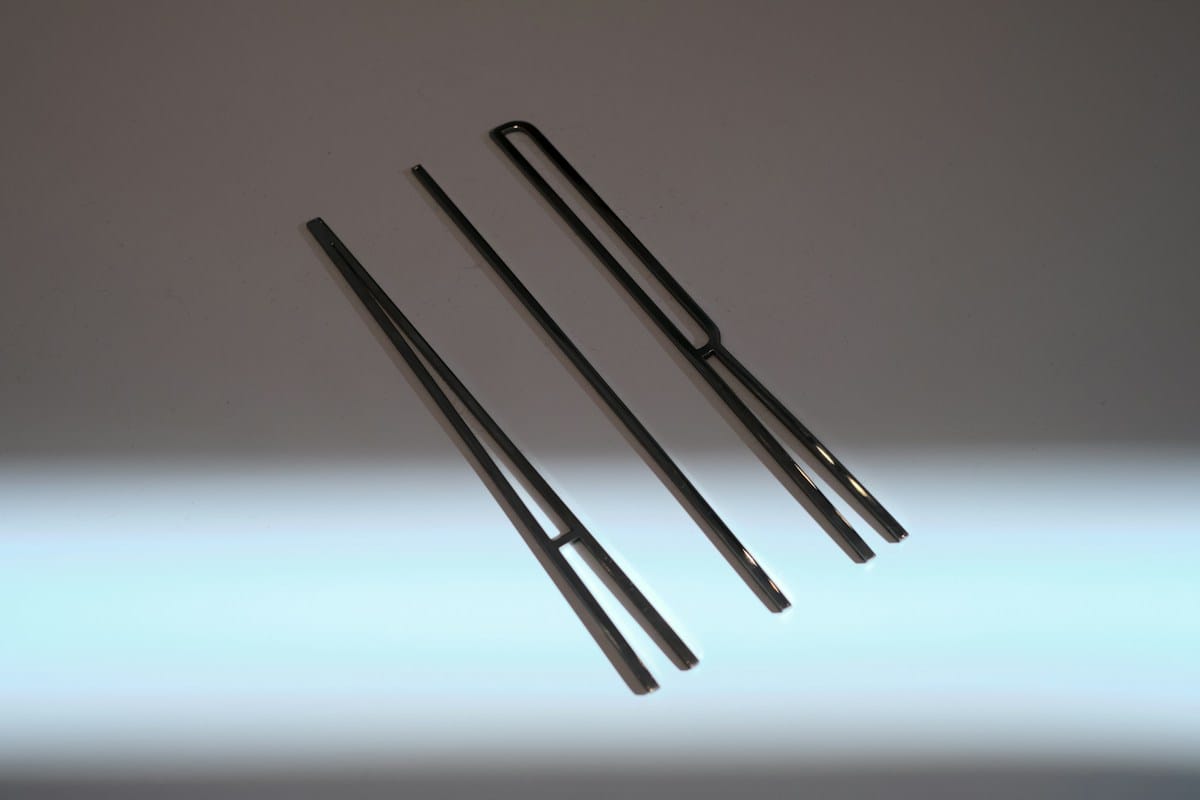
When the chosen rod is too long, the rocker tip will contact the valve before the cam lobe reaches its peak, causing premature valve opening and a loss of torque in the mid‑range. Conversely, a rod that is slightly short can lead to a “pumped” valve that never fully closes, increasing emissions and heating the exhaust valve beyond safe limits. The sweet spot often lies within a 0.5 mm window that can be dialed in with a combination of shims and adjustable rocker studs.
Practical steps to dial in pushrod length (costs included)
- Measure existing geometry – Use a dial indicator and a straight‑edge rod to record the distance from the rocker pivot to the valve stem tip at full lift. A quality set of calipers costs between $30 and $80, while a basic indicator can be found for $40‑$120 online.
- Select a compatible pushrod set – Look for rods stamped with the engine’s bore size and a tolerance of ±0.1 mm. A mid‑range kit from a reputable brand typically runs $50‑$150, providing three lengths to experiment with.
- Install and verify with a timing light – Fit the chosen rod, tighten the rocker nut to the manufacturer’s torque (often 12‑15 Nm), then spin the engine to 5,000 rpm and check the ignition timing. Adjust the rocker arm nut in 0.25 mm increments until the timing matches the service manual’s spec. Expect to spend $0‑$20 on a set of nylon lock nuts if the stock hardware is worn.
- Test for valve float – Raise the revs gradually while listening for a high‑pitched squeal. If the sound appears before the advertised redline, swap to the next shorter rod in the kit. Each swap may require a fresh torque check, adding roughly $10‑$30 in labor if you pay a shop.
- Consider professional machining – If none of the off‑the‑shelf lengths achieve the target timing, a machine shop can grind the rocker arm pad or trim the pushrod shank. Typical machining rates range from $100 to $300 depending on complexity and shop proximity.
Final checklist before you sign any invoice
- Confirm that the pushrod length matches the cam’s advertised lift and the rocker’s base circle without requiring custom machining.
- Verify the torque values for rocker nuts and rocker arm studs against the model‑year service manual.
- Ask for a dyno sheet or at‑least a rev‑test video showing the engine holding the targeted rpm without audible float.
- Ensure the quoted price includes the cost of any required shims, lock nuts, and a post‑install inspection.
By treating pushrod length as a precise tuning variable rather than a vague “fit‑as‑you‑go” part, you protect the high‑rev soul of a V‑twin and keep the bike roaring where the legend demands.
Keep reading
Why 90° V‑Twin Balance Shafts Cut Vibration by 40%
You’ll learn how a 90° V‑Twin balance shaft physically cancels the low‑rpm rumble that plagues many twins. Most guides skip the interaction between firing order and crank offset, so they miss why the shake persists.