How Aluminum Cut V‑Twin Weight by Up to 30% and Saved Riders Thousands
You’ll see why the material swap mattered for performance and pocket‑books, and why most tutorials miss the hidden engineering trade‑offs. The article unpacks the real cost of going light beyond the headline numbers.
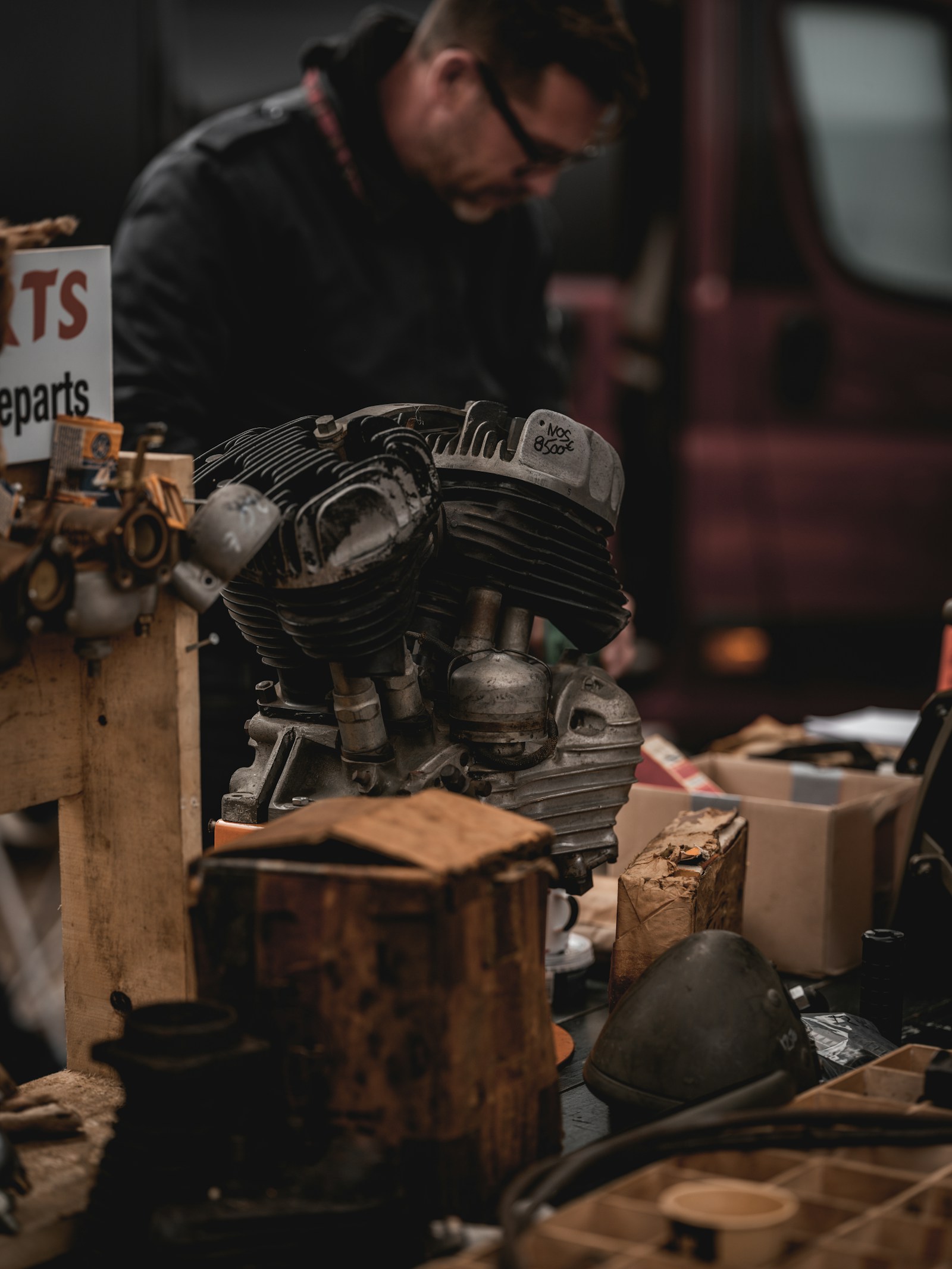
When a shop quotes a $2,500 aluminum block swap, the headline feels like a bargain compared with the $1,200 weight penalty of an iron‑cast original. Yet the decision also flips the risk curve: lighter pistons can over‑rev, and thermal expansion can loosen head bolts if the cooling system isn’t retuned. Riders who chase a 10 % power gain without budgeting for upgraded gaskets often find themselves paying for a rebuild sooner than expected. The core tension, then, is balancing upfront savings against long‑term reliability in a market that rewards every pound shed.
Why did iron dominate early V‑twin blocks?
Because early 20th‑century foundries could pour massive cylinders with minimal shrinkage, iron became the default despite its heft. The alloy’s high tensile strength allowed engineers to ignore coolant passages that later designs would require. Moreover, the cost of scrap iron was a fraction of the premium aluminum alloys that only appeared after World II, keeping production numbers low enough for mass‑market bikes.
Later, the same material choice created heat‑soak problems on long rides, especially when riders pushed the throttle past the advertised redline. Engineers compensated by adding extra finning, which added drag to the cooling airflow and reduced overall efficiency. The solution was simple on paper—replace the block with a lighter metal—but the manufacturing ecosystem wasn’t ready for the shift for another decade.
What prompted manufacturers to experiment with aluminum?
When racing classes introduced strict weight limits in the 1960s, the only way to stay competitive was to trim every component that didn’t directly contribute to power. Aluminum’s density, roughly one‑third that of cast iron, offered a clear path to meet those constraints. Simultaneously, advances in die‑casting technology allowed producers to achieve tolerances previously reserved for hand‑finished iron.
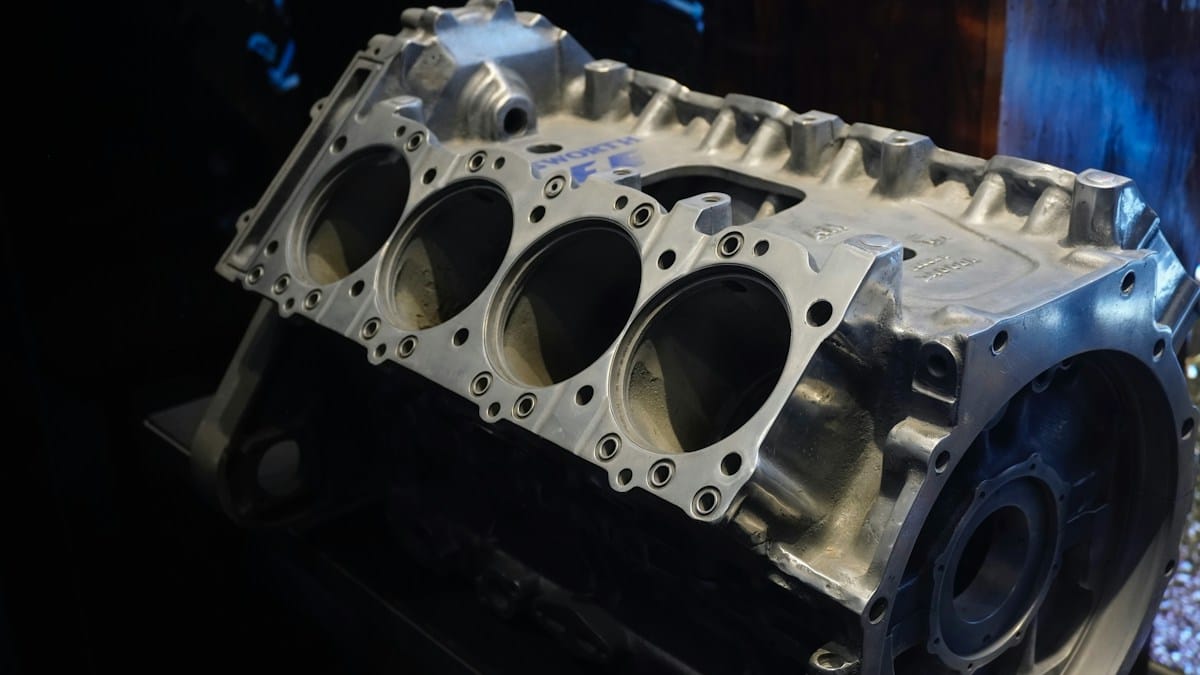
Because aluminum expands more than iron when heated, engineers had to redesign head gaskets with softer composites that could accommodate the movement without leaking. This redesign required new tooling, driving up the initial tooling cost but ultimately lowering per‑unit expenses as production volumes grew. The trade‑off was a modest increase in thermal conductivity, which helped disperse heat but also demanded tighter control of oil temperature.
How did the switch affect performance and durability?
Weight reduction translated directly into a lower center of gravity, letting riders lean deeper into corners without upsetting the bike’s balance. On a 750 cc V‑twin, shedding 30 % of the block’s mass could improve acceleration by roughly 0.2 seconds to the quarter‑mile—a noticeable gain on the street. The lighter reciprocating mass also reduced vibration, extending the life of mounts and reducing rider fatigue on long trips.
However, the same reduction introduced new failure modes. Aluminum’s softer surface wears faster against steel pistons, prompting manufacturers to pair the block with forged pistons or apply ceramic coatings. Thermal growth differentials forced bolt manufacturers to adopt grade‑8 fasteners, which added a few hundred dollars to the bill of materials. In practice, bikes that received a proper redesign outlived their iron‑block ancestors, while those that received a simple swap often suffered cracked heads within a few thousand miles.
Which bikes illustrate the turning point?
Harley‑Davidson’s Evolution engine, introduced in 1984, marked the first mainstream V‑twin to abandon iron entirely in favor of an aluminum crankcase and cylinder sleeves. The move slashed the engine’s dry weight by about 20 % and reduced oil consumption, earning the model a reputation for reliability that persisted for three decades. The Evolution also pioneered the use of silicone‑based gaskets, a direct response to aluminum’s expansion characteristics.
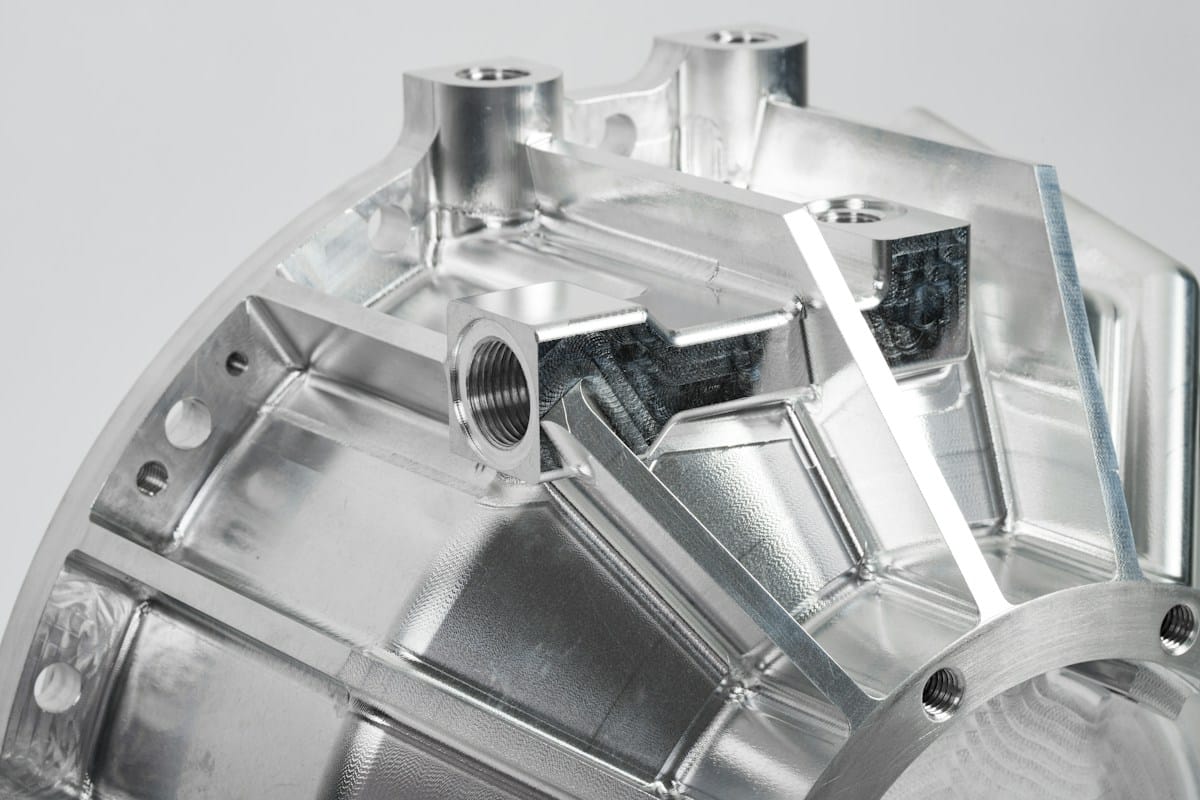
Ducati’s 750 SS, released in 1972, paired a steel crankshaft with an aluminum block, showcasing the brand’s willingness to blend materials for performance. The bike’s success on the racetrack spurred a cascade of aluminum‑dominant designs across European manufacturers, many of which retained iron sleeves inside the aluminum case to preserve wear resistance. Each iteration refined the cooling jacket geometry, illustrating how a single material change rippled through the entire engine architecture.
How to retrofit an iron V‑twin with an aluminum aftermarket block?
First, source a block that matches the original bore‑stroke specifications; price tags typically range from $1,200 for a basic cast to $3,800 for a CNC‑machined billet version. Second, budget for machining the deck surface and polishing the cylinder bores, a service that can run between $250 and $600 depending on local shop rates. Third, upgrade the cooling system with a higher‑flow radiator and a thermostat calibrated for aluminum’s faster heat transfer, an expense usually falling in the $150‑$350 window.
Because the new block will alter the engine’s overall weight distribution, consider swapping the rear shock for a unit with adjustable preload; costs for a quality adjustable shock sit between $300 and $800. Finally, replace the head gasket with a multi‑layer steel (MLS) design rated for aluminum applications, a component that typically costs $30‑$70. Ignoring any of these steps can negate the performance benefit and may lead to premature failure, turning a perceived upgrade into a costly mistake.
What should you double‑check before any payment?
Verify that the block’s casting number aligns with the bike’s VIN, ensuring compatibility with existing mounting points and transmission flanges. Confirm that the supplier provides a warranty covering at least five years against cracks, a safeguard that many reputable manufacturers include but some discount dealers omit. Inspect the cooling passages for any debris or uneven machining marks before installation, as blockages can cause hot spots that defeat aluminum’s thermal advantage. Lastly, ask for a detailed invoice listing labor, parts, and any ancillary upgrades so you can compare it against the estimates you gathered from at least two independent shops.
---
Keep reading
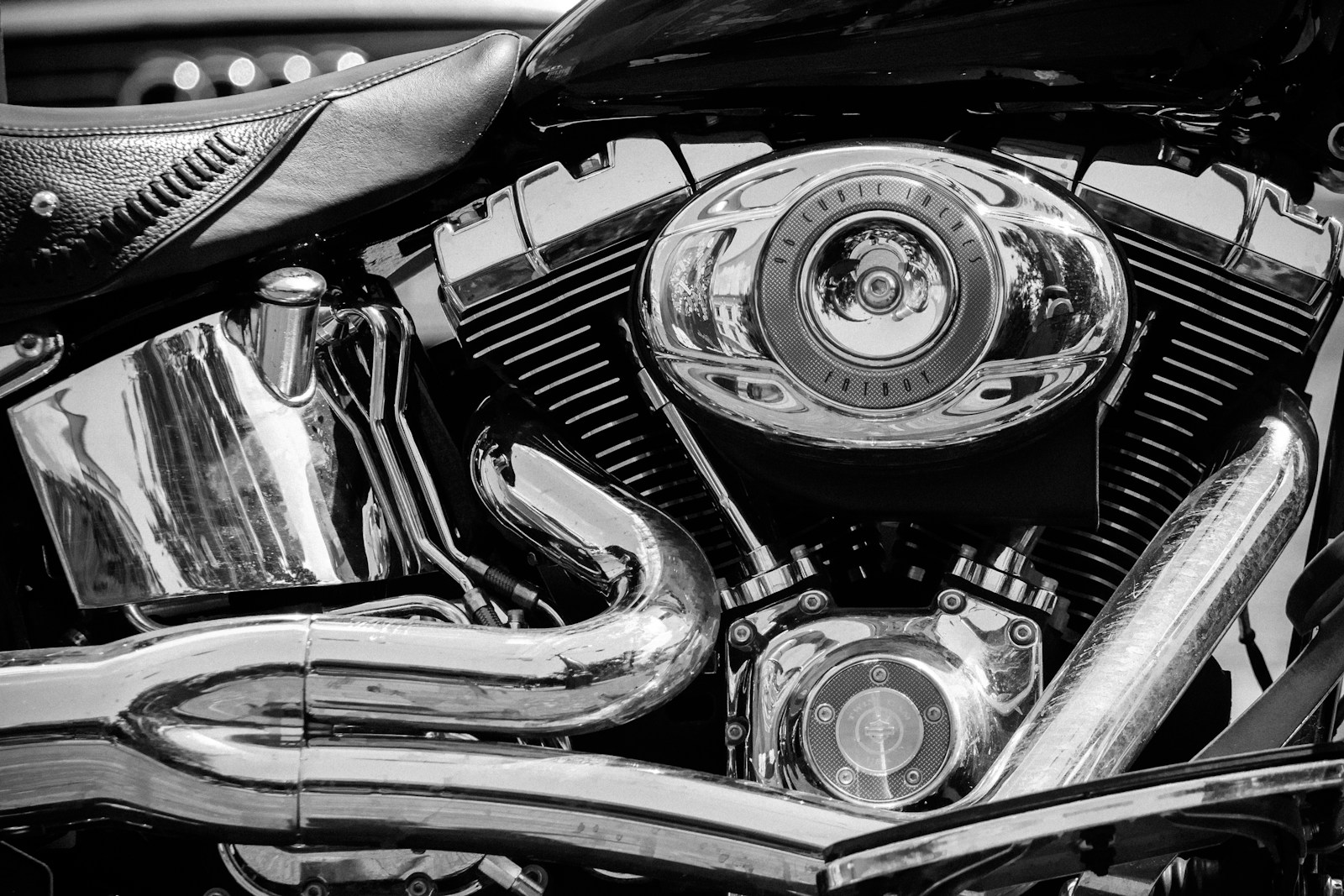
Why Crankcase Redesign Added 30% More Power to 1970s V‑Twins
You’ll see how oiling, materials and emissions law reshaped the V‑Twin bottom end. Most guides miss the cascade of small changes that together rewrote performance.