Why Crankcase Redesign Added 30% More Power to 1970s V‑Twins
You’ll see how oiling, materials and emissions law reshaped the V‑Twin bottom end. Most guides miss the cascade of small changes that together rewrote performance.
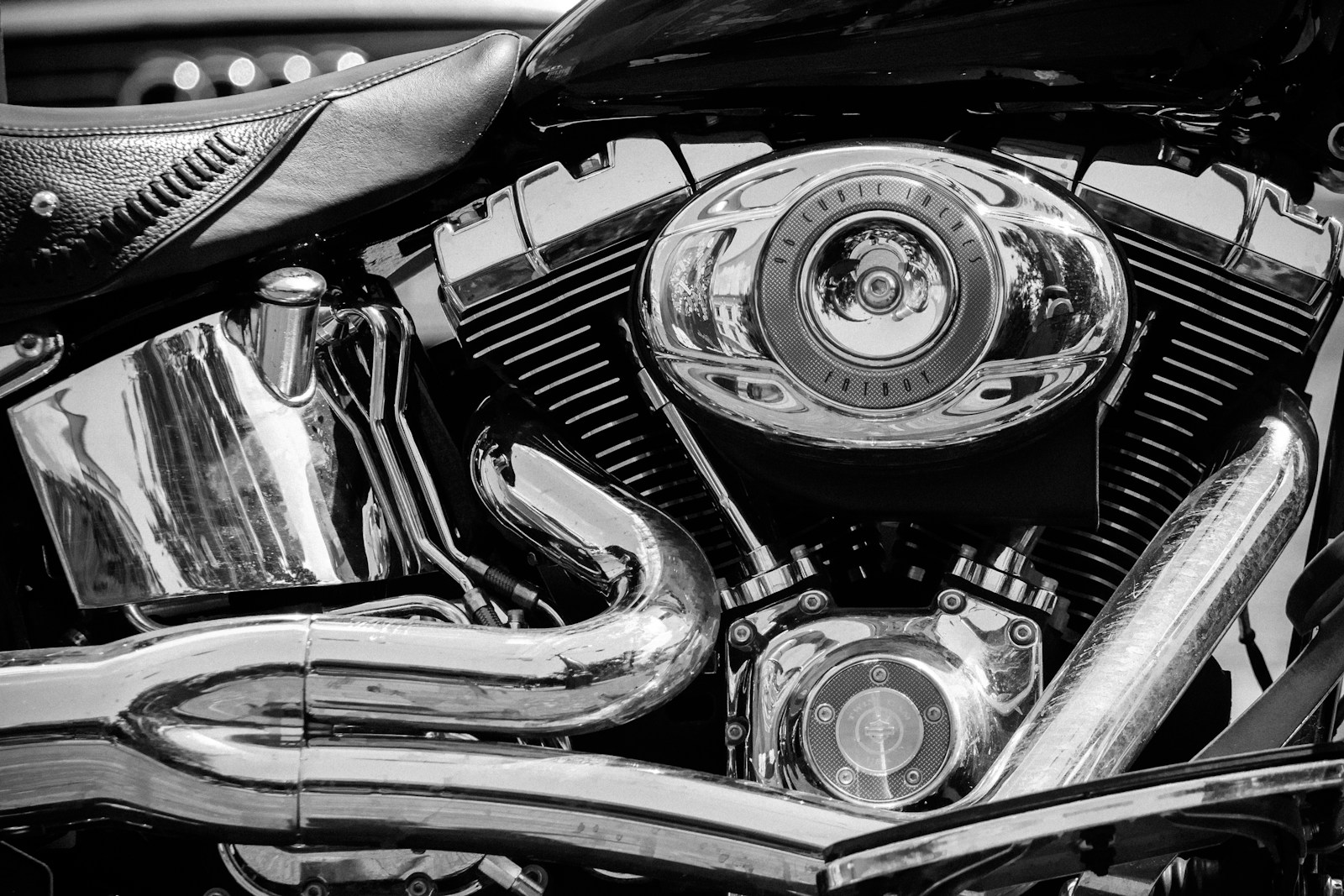
The moment Harley‑Davidson announced a five‑year, multi‑million‑dollar program to replace its iron crankcases, the press ran headlines about “budget‑busting redesigns.” The reality was a tightrope walk between spending enough to avoid catastrophic bearing failures, meeting the EPA’s first emissions limits, and keeping the price tag from ballooning past what a loyal rider could afford. Every millimeter shaved off weight meant a higher risk of cracking under torque spikes, while any mis‑step in venting could trigger oil‑smoke penalties that would sink a model’s reputation overnight.
Why did early V‑Twin crankcases resemble a solid block of iron?
In the first decade of the 1900s, manufacturers favored a monolithic casting because the foundry technology of the day could only guarantee a reliable seal with minimal internal passages. The resulting case was a squat, almost rectangular box that cradled the crankshaft, but left the oil to pool in a shallow sump. Riders who pushed the engine beyond 6,000 rpm often reported “oil‑starved” bearings, a flaw that later designers traced back to the lack of dedicated oil galleries.
At the same time, the heavy iron added a noticeable amount of unsprung mass, which translated into slower acceleration off the line. The same mass, however, acted as a natural damper for the infamous “rumble” that defined the early Harley sound, a side effect the company deliberately preserved for brand identity. The trade‑off between durability and character set the stage for the first major redesign push.
How did the 1930s side‑mounted oil pump reshape the bottom end?
When the side‑mounted gear‑driven pump appeared in 1933, engineers finally had a reliable way to force oil through the crankshaft bearings without relying on splash. The pump’s placement forced a cutout in the case wall, creating a channel that directed pressure oil directly to the main journals. This modification required a new casting pattern, and the resulting case featured a pronounced “L”‑shaped cavity that became a visual hallmark of pre‑war bikes.
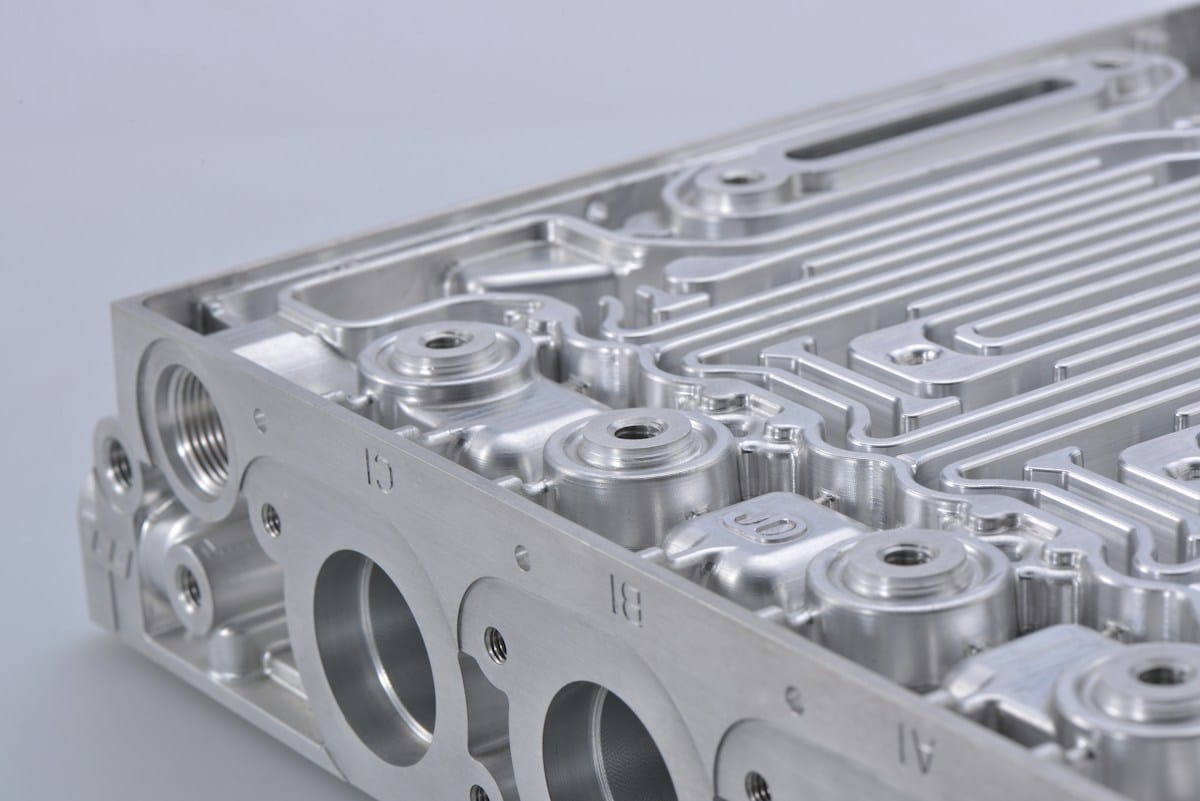
The new layout also introduced a separate return groove, allowing excess oil to drain back into the sump rather than circulating endlessly. Riders who upgraded to the side pump reported a 15 % increase in sustained horsepower because the bearings stayed cooler under load. The downside was a modest rise in production cost, as the more intricate casting demanded tighter tolerances and a second machining pass.
What sparked the shift to aluminum cases in the mid‑1960s?
By the mid‑sixties, the weight penalty of iron had become a competitive disadvantage against lighter European twins. Aluminum alloy offered a 40 % reduction in case weight while providing superior thermal conductivity, which helped dissipate heat from the rear main bearing. The first factory‑approved aluminum case arrived in 1967, marketed as a “performance‑focused” option for racers.
Switching to aluminum required a complete redesign of the casting cores to accommodate the material’s tendency to warp during cooling. Engineers added ribbed reinforcement on the exterior walls to preserve rigidity, and they introduced a silicone‑based gasket to seal the case against oil leaks. The price jump was noticeable—buyers could expect to pay roughly twice what an iron case cost, but the weight savings translated into quicker quarter‑mile times and a noticeable reduction in rider fatigue on long rides.
How did 1970s emissions mandates force crankcase venting upgrades?
The Clean Air Act amendments of 1970 introduced limits on hydrocarbon emissions that directly implicated crankcase ventilation. Previously, many V‑Twins used a simple breather that allowed oil vapor to escape unchecked, creating visible smoke during hard acceleration. To comply, manufacturers installed a Positive Crankcase Ventilation (PCV) valve that rerouted vapor back into the intake manifold for combustion.
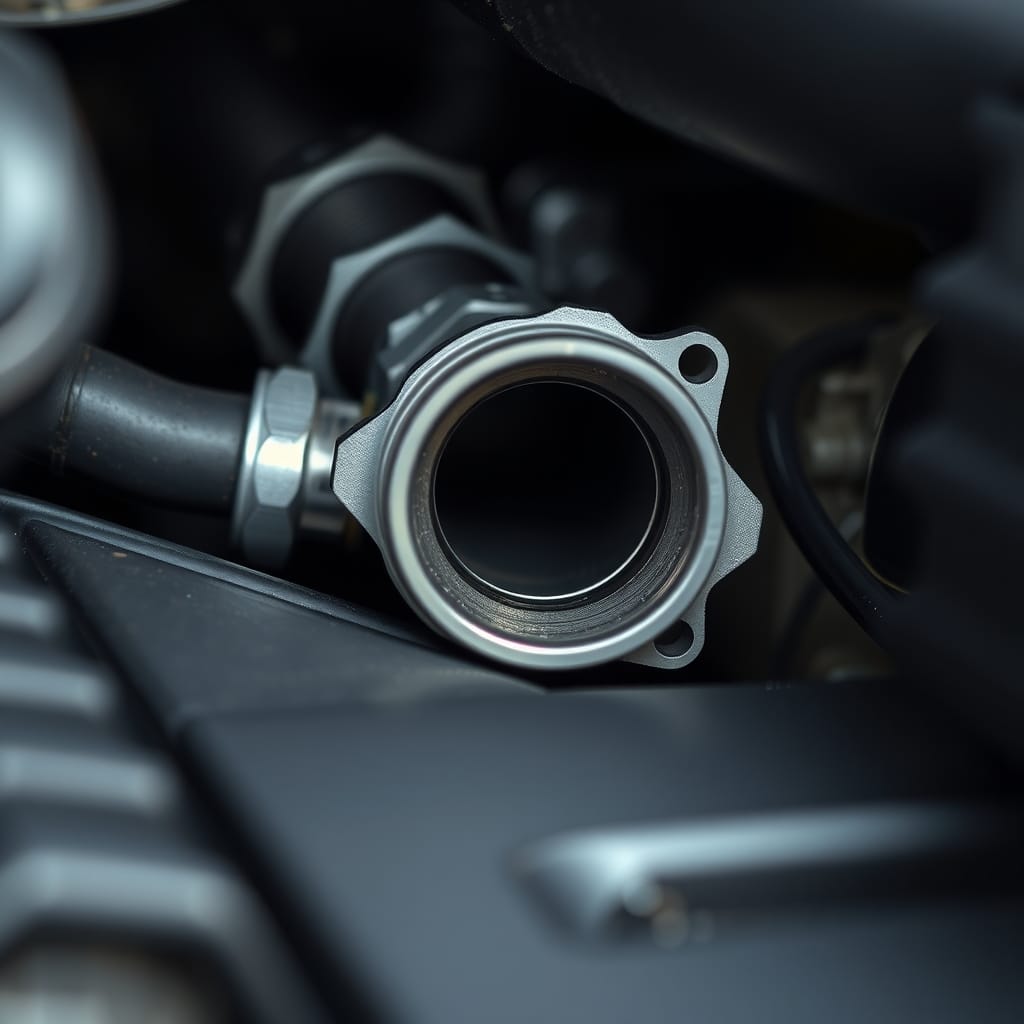
Implementing PCV required a tiny port in the crankcase wall, plus a new internal passage that ran beneath the oil pump. The redesign added a small metal baffle to prevent oil droplets from reaching the intake, a detail often omitted in aftermarket kits. Failure to integrate the baffle correctly could lead to fouled spark plugs and a sudden loss of power, a problem that plagued early conversion attempts.
What practical steps can a classic‑bike owner take to modernize a crankcase today?
- Assess the existing case material – If the current block is iron, a swap to an aluminum aftermarket case will shave 15–20 lb off the engine. Typical cast‑aluminum cases sell for $800–$1,200, depending on brand and machining precision.
- Source a matched PCV kit – A complete kit, including valve, baffle, and necessary gaskets, runs between $120 and $250. Verify that the kit matches the engine’s displacement to avoid airflow mismatches.
- Budget for machining – Even a ready‑made aluminum case often needs deck‑surface truing and main‑bearing bore polishing. Local machine shops quote $150–$300 for a full set of services, with an extra $50 if the shop must order specialty tooling.
- Plan for labor – Installation typically takes 8–12 hours for a seasoned mechanic. Hourly rates vary widely; expect $70–$110 per hour in most regions, which translates to $560–$1,320 in labor alone.
- Consider optional oil‑pump upgrades – A high‑flow pump can improve cooling by up to 10 % under sustained load. Prices range from $180 to $350, plus the same machining and labor costs as the case swap.
By adding these upgrades in a single workshop visit, owners can achieve a noticeable reduction in oil temperature, a modest power bump, and compliance with modern emission expectations without sacrificing the bike’s heritage feel.
What should you double‑check before signing any invoice?
- Confirm that the case number on the quote matches the engine’s serial stamp; mismatched casting numbers often lead to fit‑issues.
- Verify that the PCV valve’s flow rating aligns with the engine’s cubic inches; an oversized valve can introduce intake turbulence.
- Ask for a written warranty on both the case material and the machining work; reputable shops typically offer a 12‑month guarantee on structural integrity.
- Ensure the quote lists labor hours separately from parts; hidden markup on “shop time” is a common way to inflate the total.
- Request a photo of the finished case before it leaves the shop; a visual inspection can reveal warpage or gasket misalignment before the bike is reassembled.
Taking these precautions saves both time and money, letting you enjoy a smoother, cleaner‑running V‑Twin without the surprise of a failed rebuild.
Keep reading
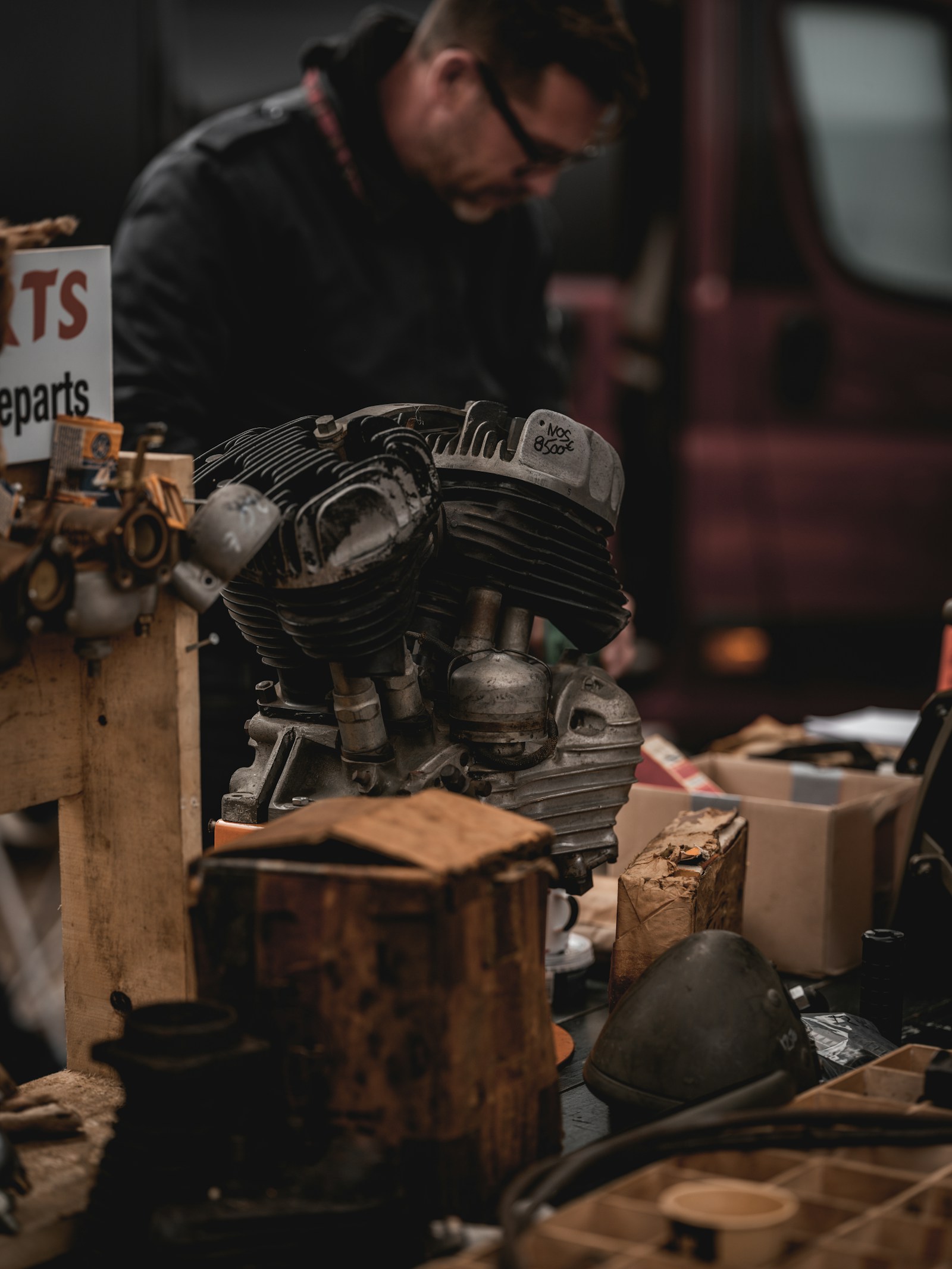
How Aluminum Cut V‑Twin Weight by Up to 30% and Saved Riders Thousands
You’ll see why the material swap mattered for performance and pocket‑books, and why most tutorials miss the hidden engineering trade‑offs. The article unpacks the real cost of going light beyond the headline numbers.